Waterjet Cutting Services | Find Qualified Manufacturers
Waterjet cutting uses an ultra-high-pressure stream of water mixed with abrasive garnet to cut through virtually any material without heat, preserving material properties.
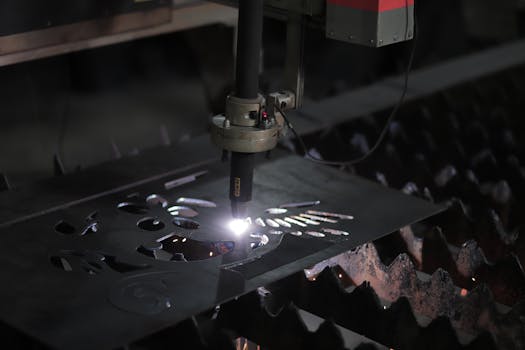
About Waterjet Cutting
Waterjet cutting uses a high-pressure pump to force water through a tiny orifice at pressures up to 90,000 PSI, creating a supersonic stream capable of cutting through hard materials. For metals and stone, an abrasive (typically garnet) is mixed into the water stream, creating an abrasive waterjet capable of cutting through steel several inches thick. The key advantage of waterjet cutting is that it produces no heat-affected zone (HAZ), meaning material properties remain unchanged at the cut edge. This makes waterjet ideal for heat-sensitive materials, thick materials, and applications where material integrity is critical.
Tolerances
±0.003"-±0.005" (±0.08-0.13mm) standard
Lead Time
2-7 business days; 2-4 weeks for production
Cost Range
$1-$100+ per part depending on material, thickness, and complexity
Compatible Materials
Advantages
- No heat-affected zone
- Cuts virtually any material
- Cuts very thick material (6"+)
- No material distortion or warping
- Excellent edge quality
- Environmentally friendly (water and garnet)
Limitations
- Slower than laser for thin metals
- Higher operating cost than laser for thin metals
- Taper on thick cuts requires compensation
- Water and abrasive management needed
- Noisy operation
Industries Served
Aerospace
The aerospace industry manufactures aircraft, spacecraft, satellites, and related components requiring the highest standards of precision, quality, and reliability.
Automotive
The automotive industry manufactures vehicles and components, demanding high-volume production, consistent quality, and competitive pricing across a complex global supply chain.
Defense & Military
The defense industry manufactures weapons systems, vehicles, equipment, and components for military applications, requiring the highest security, reliability, and quality standards.
Food & Beverage
Food and beverage manufacturing requires hygienic processing equipment, stainless steel fabrication, and FDA-compliant components for safe food production and packaging.
Construction
Construction manufacturing produces structural steel, rebar, building components, HVAC systems, and architectural elements for commercial and residential buildings.
Marine
Marine manufacturing produces vessels, propulsion systems, and offshore structures that must withstand saltwater corrosion, high loads, and demanding marine environments.
Waterjet Cutting FAQ
How thick can a waterjet cut?
Waterjets can cut steel up to 8-12" thick, though 4-6" is more practical for precision work. Softer materials like aluminum and composites can be cut even thicker. Most waterjet work involves materials from 0.25" to 4" thick.
What materials can a waterjet cut?
Waterjets cut virtually any material: metals (steel, aluminum, titanium, copper), stone, glass, ceramics, composites, rubber, foam, plastics, wood, and food. The only materials that resist waterjet cutting are diamond and certain extremely hard ceramics.
Why is no heat-affected zone important?
Heat-affected zones (HAZ) change material properties near the cut edge — hardening, softening, or creating micro-cracks. For aerospace components, medical devices, and heat-treated parts, avoiding HAZ preserves material certification and structural integrity.
Is waterjet cutting expensive?
Waterjet cutting costs depend on material, thickness, and cut length. For thin metals, laser cutting is more economical. For thick materials, heat-sensitive materials, or mixed-material cutting, waterjet is often the most cost-effective option. Typical rates range from $100-$250/hour.
How accurate is waterjet cutting?
Standard waterjet cutting achieves ±0.003"-±0.005" tolerance. Dynamic waterjet systems with taper compensation can achieve ±0.001" on critical features. For reference, this is roughly the thickness of a sheet of paper.
Need More Waterjet Cutting Customers?
Tell us about your manufacturing capabilities and we'll show you exactly how to attract qualified buyers. No obligation.
Tell Us About Your Waterjet Cutting Needs →