Tube Bending — Connect with Top Providers
Tube bending uses mandrels, dies, and CNC-controlled machines to form metal tubing into precise shapes for frames, exhaust systems, roll cages, and fluid transport.
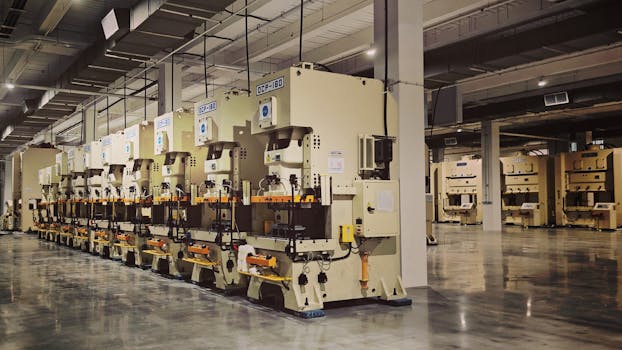
About Tube Bending
Tube bending is a metalworking process that permanently forms tubes and pipes into desired shapes. CNC tube bending machines can produce complex multi-bend configurations with high precision and repeatability. The main methods include rotary draw bending (most precise, uses a mandrel), compression bending, roll bending (for large-radius curves), and press bending. Mandrel bending inserts a flexible mandrel inside the tube during bending to prevent collapse and wrinkling. Modern CNC tube benders can bend multiple radii in a single setup with bend-to-bend positioning accuracy of ±0.010". Tube bending is essential for automotive exhaust and chassis systems, aerospace hydraulic lines, furniture, handrails, medical equipment, and HVAC systems.
Tolerances
±0.010" position; ±0.5° angle; ±0.030" overall length
Lead Time
3-10 business days for prototypes; 2-4 weeks for production
Cost Range
$1,000-$10,000 for tooling; $5-$100+ per part
Compatible Materials
Advantages
- Strong seamless construction
- CNC repeatability
- Complex multi-bend shapes
- Variety of tube sizes and materials
- Mandrel bending prevents collapse
- High production rates
Limitations
- Minimum bend radius limitations (typically 1-2x tube diameter)
- Wall thinning on outside of bend
- Ovality at tight radii
- Tooling specific to tube diameter and radius
- Spring-back compensation required
Industries Served
Aerospace
The aerospace industry manufactures aircraft, spacecraft, satellites, and related components requiring the highest standards of precision, quality, and reliability.
Automotive
The automotive industry manufactures vehicles and components, demanding high-volume production, consistent quality, and competitive pricing across a complex global supply chain.
Medical Devices
The medical device industry manufactures instruments, implants, diagnostics, and equipment that must meet stringent regulatory requirements for safety and biocompatibility.
Oil & Gas
The oil and gas industry requires specialized manufacturing for drilling equipment, pipelines, valves, pumps, and refinery components that withstand extreme pressures and corrosive environments.
Construction
Construction manufacturing produces structural steel, rebar, building components, HVAC systems, and architectural elements for commercial and residential buildings.
Furniture
Furniture manufacturing combines metalworking, woodworking, upholstery, and finishing processes to produce residential, office, and institutional furniture.
Tube Bending FAQ
What is the tightest bend radius possible?
The minimum bend radius depends on tube diameter, wall thickness, and material. Standard mandrel bending achieves a centerline radius of 1.5x tube diameter. Tight-radius bending can achieve 1x diameter. Boosted and specialized tooling can achieve 0.7x diameter, but with greater wall thinning.
What is mandrel bending?
Mandrel bending inserts a flexible mandrel (a series of linked balls) inside the tube during bending. The mandrel supports the inside of the bend, preventing collapse, wrinkling, and ovality. It is essential for thin-walled tubes and tight radii.
Can tube bending handle square and rectangular tubes?
Yes, CNC tube benders can bend square, rectangular, and other profile tubes with appropriate tooling. The minimum bend radius for square/rectangular tubes is larger than for round tubes, and special mandrels are used to prevent wall collapse.
What is spring-back in tube bending?
Spring-back is the tendency of a bent tube to partially return toward its original shape when bending force is released. CNC tube benders automatically over-bend to compensate. Spring-back varies by material (stainless steel springs back more than mild steel).
How are bent tubes measured and inspected?
Bent tubes are inspected using CMM (Coordinate Measuring Machines), tube inspection gauges, optical scanners, and go/no-go fixtures. CNC tube benders can also verify bends using integrated measurement systems. Critical dimensions include bend angle, bend radius, distance between bends, and overall length.
Need More Tube Bending Customers?
Tell us about your manufacturing capabilities and we'll show you exactly how to attract qualified buyers. No obligation.
Tell Us About Your Tube Bending Needs →