Thermoforming — Connect with Top Providers
Thermoforming heats a plastic sheet until pliable and forms it over a mold using vacuum, pressure, or mechanical force to create packaging, trays, panels, and enclosures.
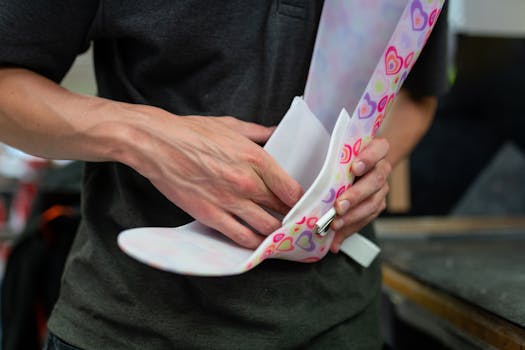
About Thermoforming
Thermoforming is a manufacturing process where a plastic sheet is heated to a pliable forming temperature, formed to a specific shape using a mold, and then trimmed to create a finished product. There are two main categories: thin-gauge thermoforming for packaging (clamshells, blister packs, trays) and heavy-gauge thermoforming for durable parts (vehicle panels, equipment enclosures, medical housings). Vacuum forming and pressure forming are the two primary techniques. Thermoforming offers faster tooling and lower costs than injection molding, making it ideal for medium-volume production and large parts with relatively simple geometries.
Tolerances
±0.010" (±0.25mm) for pressure forming; ±0.020" for vacuum forming
Lead Time
2-6 weeks for tooling; 1-3 weeks for production
Cost Range
$2,000-$25,000 for tooling; $2-$50 per part
Compatible Materials
Advantages
- Lower tooling costs than injection molding
- Faster tool fabrication
- Large part capability
- Good for medium volumes
- Thin and thick gauge options
- Design flexibility with textures and colors
Limitations
- Limited to relatively simple geometries
- One-sided detail only
- Requires secondary trimming
- Less precise than injection molding
- Material waste from trimming
Industries Served
Aerospace
The aerospace industry manufactures aircraft, spacecraft, satellites, and related components requiring the highest standards of precision, quality, and reliability.
Automotive
The automotive industry manufactures vehicles and components, demanding high-volume production, consistent quality, and competitive pricing across a complex global supply chain.
Medical Devices
The medical device industry manufactures instruments, implants, diagnostics, and equipment that must meet stringent regulatory requirements for safety and biocompatibility.
Food & Beverage
Food and beverage manufacturing requires hygienic processing equipment, stainless steel fabrication, and FDA-compliant components for safe food production and packaging.
Packaging
The packaging industry manufactures containers, closures, films, and machinery for food, consumer products, pharmaceutical, and industrial packaging applications.
Consumer Products
Consumer products manufacturing produces household goods, appliances, sporting equipment, and personal items through high-volume processes prioritizing aesthetics and cost efficiency.
Thermoforming FAQ
What is the difference between vacuum forming and pressure forming?
Vacuum forming uses suction to pull the heated sheet against the mold. Pressure forming adds positive air pressure (up to 60 PSI) to push the sheet against the mold, resulting in sharper detail, tighter radii, and textures approaching injection-molded quality.
When should I use thermoforming vs. injection molding?
Choose thermoforming for volumes under 5,000-10,000 parts, large parts, or when you need faster tooling. Choose injection molding for high volumes (10,000+), complex geometries requiring detail on both sides, or tight tolerance requirements.
How large of a part can be thermoformed?
Thermoforming can produce very large parts — up to 10+ feet in length. This makes it popular for vehicle body panels, hot tub shells, signage, and large equipment enclosures that would be prohibitively expensive to injection mold.
What industries use thermoforming?
Major users include food packaging (trays, clamshells), medical (device housings, trays), automotive (interior panels, truck bed liners), aerospace (interior panels), and consumer products (appliance housings, point-of-purchase displays).
Can thermoformed parts have undercuts?
Simple undercuts are possible with split molds or collapsible cores, but thermoforming is generally limited to parts that can be pulled straight off the mold. For significant undercuts, injection molding or other processes may be more appropriate.
Need More Thermoforming Customers?
Tell us about your manufacturing capabilities and we'll show you exactly how to attract qualified buyers. No obligation.
Tell Us About Your Thermoforming Needs →