Honing Solutions for Every Industry
Honing uses abrasive stones to finish internal bores to exact size, roundness, and surface finish, critical for cylinders, hydraulic components, and precision bores.
About Honing
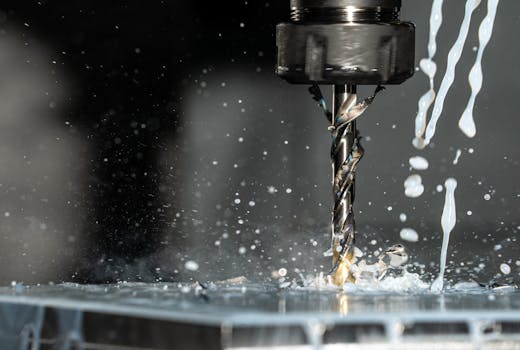
Honing is a precision abrasive process used primarily to finish internal cylindrical surfaces (bores) to exact dimensions, roundness, and surface texture. The honing tool consists of abrasive stones mounted on a mandrel that rotates and reciprocates inside the bore. The crosshatch pattern created by honing is specifically designed to retain oil and provide optimal lubrication for pistons, hydraulic cylinders, and other sliding components. Honing can correct bore geometry errors left by boring, reaming, or grinding — including out-of-round, taper, and bellmouth conditions. It is essential in automotive (engine cylinders), hydraulic (cylinder bores), and pneumatic (air cylinder) manufacturing.
Tolerances
±0.0001" (±0.003mm) on diameter; roundness within 0.00005"
Lead Time
3-7 business days
Cost Range
$50-$150/hour; $10-$200+ per part
Compatible Materials
Advantages
- Corrects bore geometry errors
- Precise diameter and roundness control
- Optimal crosshatch surface for lubrication
- Processes hardened materials
- High production rates on CNC hones
- Does not generate significant heat
Limitations
- Primarily for internal cylindrical surfaces
- Cannot correct bore location
- Limited material removal capability
- Stone wear requires monitoring
- Specialized equipment needed
Industries Served
Aerospace
The aerospace industry manufactures aircraft, spacecraft, satellites, and related components requiring the highest standards of precision, quality, and reliability.
Automotive
The automotive industry manufactures vehicles and components, demanding high-volume production, consistent quality, and competitive pricing across a complex global supply chain.
Defense & Military
The defense industry manufactures weapons systems, vehicles, equipment, and components for military applications, requiring the highest security, reliability, and quality standards.
Oil & Gas
The oil and gas industry requires specialized manufacturing for drilling equipment, pipelines, valves, pumps, and refinery components that withstand extreme pressures and corrosive environments.
Construction
Construction manufacturing produces structural steel, rebar, building components, HVAC systems, and architectural elements for commercial and residential buildings.
Marine
Marine manufacturing produces vessels, propulsion systems, and offshore structures that must withstand saltwater corrosion, high loads, and demanding marine environments.
Honing FAQ
Why is honing important for engine cylinders?
Honing creates a precise crosshatch pattern on cylinder walls that retains oil for piston ring lubrication. The pattern angle (typically 22-32° included angle) is critical for oil retention, ring seating, and engine longevity. Every automotive engine cylinder is honed.
What is the difference between honing and grinding?
Honing uses abrasive stones that conform to the bore surface, correcting roundness, taper, and bellmouth. Grinding uses a rigid abrasive wheel. Honing produces a characteristic crosshatch pattern ideal for lubrication. Grinding produces a unidirectional finish. Honing is specifically for bores; grinding is more versatile.
How much material does honing remove?
Honing is a finishing process that typically removes 0.001"-0.010" of material per diameter. For production work, 0.002"-0.005" stock removal is common. Honing is not designed for bulk material removal — boring or grinding should bring the bore close to final size first.
What is a crosshatch angle in honing?
The crosshatch angle is determined by the ratio of rotation speed to stroke speed. Engine cylinders typically use a 22-32° included angle. Steeper angles (45°+) provide more oil retention. Shallower angles provide better ring sealing. The optimal angle depends on the application.
Can honing be automated?
Yes, CNC honing machines with automatic gauging produce consistent results at high production rates. In-process gauging measures bore size continuously and automatically compensates for stone wear. Production honing machines can process hundreds of parts per hour.
Need More Honing Customers?
Tell us about your manufacturing capabilities and we'll show you exactly how to attract qualified buyers. No obligation.
Tell Us About Your Honing Needs →