Extrusion — Connect with Top Providers
Extrusion forces heated metal or plastic through a shaped die to create long parts with consistent cross-sections like profiles, tubes, channels, and structural shapes.
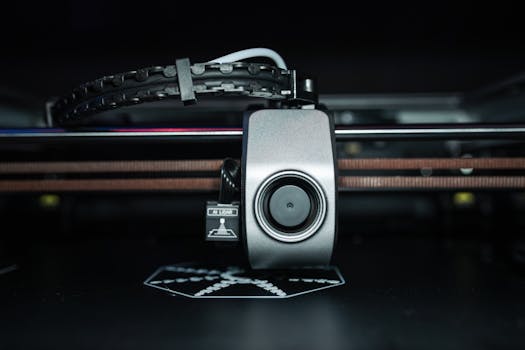
About Extrusion
Extrusion is a manufacturing process where material is forced through a shaped die to produce parts with a continuous cross-sectional profile. Metal extrusion (primarily aluminum) involves heating billets to 700-900°F and pushing them through steel dies using hydraulic rams generating thousands of tons of force. Plastic extrusion melts pellets in a screw-driven barrel and forces the material through a die continuously. Aluminum extrusion produces an enormous variety of profiles used in construction (window frames, curtain walls), transportation (automotive, rail, aerospace), electronics (heat sinks), and industrial applications. Custom die shapes enable unique cross-sections at relatively low tooling cost.
Tolerances
±0.005"-±0.015" for aluminum profiles; tighter with secondary machining
Lead Time
2-6 weeks for new dies; 1-3 weeks for production from existing dies
Cost Range
$500-$5,000 for dies; $2-$20/lb for aluminum profiles
Compatible Materials
Advantages
- Low die/tooling costs
- Complex cross-sections possible
- Excellent surface finish
- High production rates
- Consistent cross-sectional properties
- Easily machined after extrusion
Limitations
- Constant cross-section only
- Size limited by press capacity
- Some shapes require multi-piece dies
- Wall thickness uniformity can vary
- Steel extrusion very limited vs. aluminum
Industries Served
Aerospace
The aerospace industry manufactures aircraft, spacecraft, satellites, and related components requiring the highest standards of precision, quality, and reliability.
Automotive
The automotive industry manufactures vehicles and components, demanding high-volume production, consistent quality, and competitive pricing across a complex global supply chain.
Electronics
The electronics manufacturing industry produces circuit boards, components, enclosures, and assemblies for computing, communications, industrial controls, and consumer devices.
Construction
Construction manufacturing produces structural steel, rebar, building components, HVAC systems, and architectural elements for commercial and residential buildings.
Renewable Energy
Renewable energy manufacturing produces wind turbines, solar panels, battery systems, and related components driving the global clean energy transition.
Consumer Products
Consumer products manufacturing produces household goods, appliances, sporting equipment, and personal items through high-volume processes prioritizing aesthetics and cost efficiency.
Extrusion FAQ
How much does an extrusion die cost?
Aluminum extrusion dies typically cost $500-$5,000 depending on complexity and size. Simple solid profiles may cost $500-$1,000. Complex hollow profiles with multiple chambers can cost $3,000-$5,000. Dies last for thousands of feet of extrusion before replacement.
What is the minimum order for aluminum extrusion?
Most extruders have minimum order quantities of 500-2,000 lbs, which translates to several hundred to several thousand feet depending on the profile weight. Some custom extruders accept smaller orders at premium pricing.
What aluminum alloys are commonly extruded?
6063 is the most common extrusion alloy, offering excellent extrudability, corrosion resistance, and anodizing response. 6061 provides higher strength for structural applications. 7075 is used for aerospace applications requiring maximum strength.
Can extrusions be machined after forming?
Yes, aluminum extrusions are frequently machined after forming to add holes, slots, pockets, and threaded features. CNC machining of extrusions is very common and cost-effective because the extrusion provides the overall shape while machining adds details.
What surface finishes are available for extrusions?
As-extruded aluminum has a smooth mill finish. Post-processing options include anodizing (clear or colored), powder coating, painting, brushing, polishing, and wood-grain finishing. Anodized aluminum extrusions are standard for architectural applications.
Need More Extrusion Customers?
Tell us about your manufacturing capabilities and we'll show you exactly how to attract qualified buyers. No obligation.
Tell Us About Your Extrusion Needs →