Medical Devices — Find Qualified Manufacturing Partners
The medical device industry manufactures instruments, implants, diagnostics, and equipment that must meet stringent regulatory requirements for safety and biocompatibility.
Required Certifications
Key Industry Challenges
Manufacturing Processes for Medical Devices
CNC Machining
Computer Numerical Control machining uses programmed commands to control cutting tools that shape metal and plastic parts with extreme precision. It is one of the most versatile and widely used manufacturing processes in the world.
5-Axis Machining
5-axis machining moves a cutting tool along five axes simultaneously, enabling the creation of extremely complex parts in a single setup with superior precision and surface quality.
Injection Molding
Injection molding forces molten plastic into a mold cavity under high pressure, producing complex plastic parts at very high volumes with excellent consistency and low per-part cost.
Laser Cutting
Laser cutting uses a focused, high-powered laser beam to cut through metals, plastics, and other materials with extreme precision, speed, and minimal material waste.
Investment Casting
Investment casting (lost-wax casting) produces complex, precision metal parts by creating a wax pattern, coating it in ceramic, and replacing the wax with molten metal.
TIG Welding
TIG welding (GTAW) uses a non-consumable tungsten electrode and inert gas shielding to produce high-quality, precise welds on thin materials and critical applications.
3D Printing / Additive Manufacturing
3D printing builds parts layer by layer from digital models, enabling rapid prototyping, complex geometries, and on-demand production without traditional tooling.
Surface Finishing
Surface finishing processes improve the appearance, corrosion resistance, wear resistance, and functionality of manufactured parts through coatings, treatments, and polishing.
Anodizing
Anodizing creates a controlled oxide layer on aluminum parts through an electrochemical process, providing excellent corrosion resistance, wear resistance, and color options.
Wire EDM
Wire EDM uses a thin electrically charged wire to cut through conductive metals with extreme precision, producing intricate shapes and tight tolerances impossible for conventional machining.
Grinding
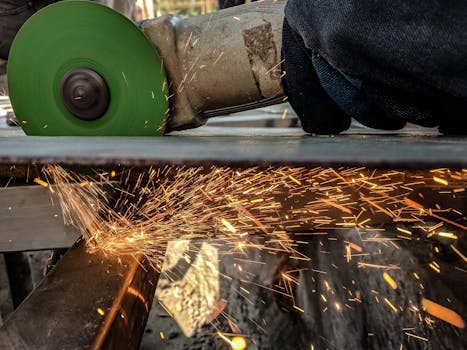
Grinding uses abrasive wheels to remove small amounts of material with extreme precision, achieving tight tolerances and superior surface finishes on hardened metals.
Medical Devices Manufacturing FAQ
What quality system is required for medical device manufacturing?
ISO 13485 is the international quality management standard for medical devices. In the US, FDA 21 CFR Part 820 (Quality System Regulation) is mandatory. Manufacturers typically maintain both to serve global markets.
What materials are biocompatible for implants?
Common implant materials include titanium (Ti-6Al-4V), cobalt-chrome alloys, stainless steel (316L), PEEK, ultra-high molecular weight polyethylene (UHMWPE), and ceramics (alumina, zirconia). All must pass ISO 10993 biocompatibility testing.
Can 3D printing be used for medical devices?
Yes, FDA has cleared hundreds of 3D-printed medical devices including orthopedic implants, surgical guides, dental aligners, and anatomical models. Metal 3D printing of titanium and cobalt-chrome implants is growing rapidly, enabling patient-specific customization.
What cleanroom class is needed for medical device manufacturing?
Requirements vary by device class. Class I devices may not require cleanroom assembly. Class II devices typically require ISO Class 7-8 (Class 10,000-100,000). Implantable devices and sterile products may require ISO Class 5-7 (Class 100-10,000).
How long does FDA clearance take for a new device?
510(k) clearance (for devices substantially equivalent to existing devices) takes 3-12 months. De Novo classification takes 6-18 months. PMA (Premarket Approval) for high-risk devices takes 1-3 years and requires clinical trials.
Generate Medical Devices Manufacturing Leads
Tell us about your manufacturing capabilities and we'll show you exactly how to attract qualified buyers. No obligation.
Tell Us About Your Medical Devices Capabilities →